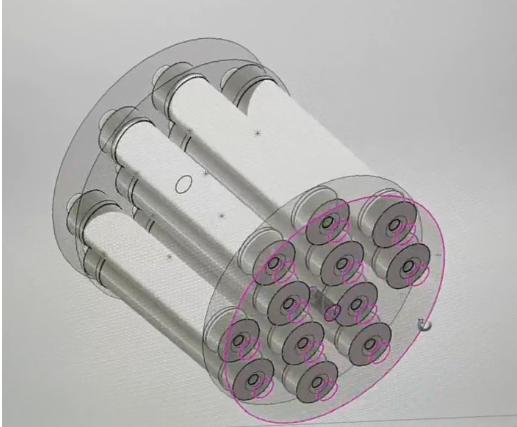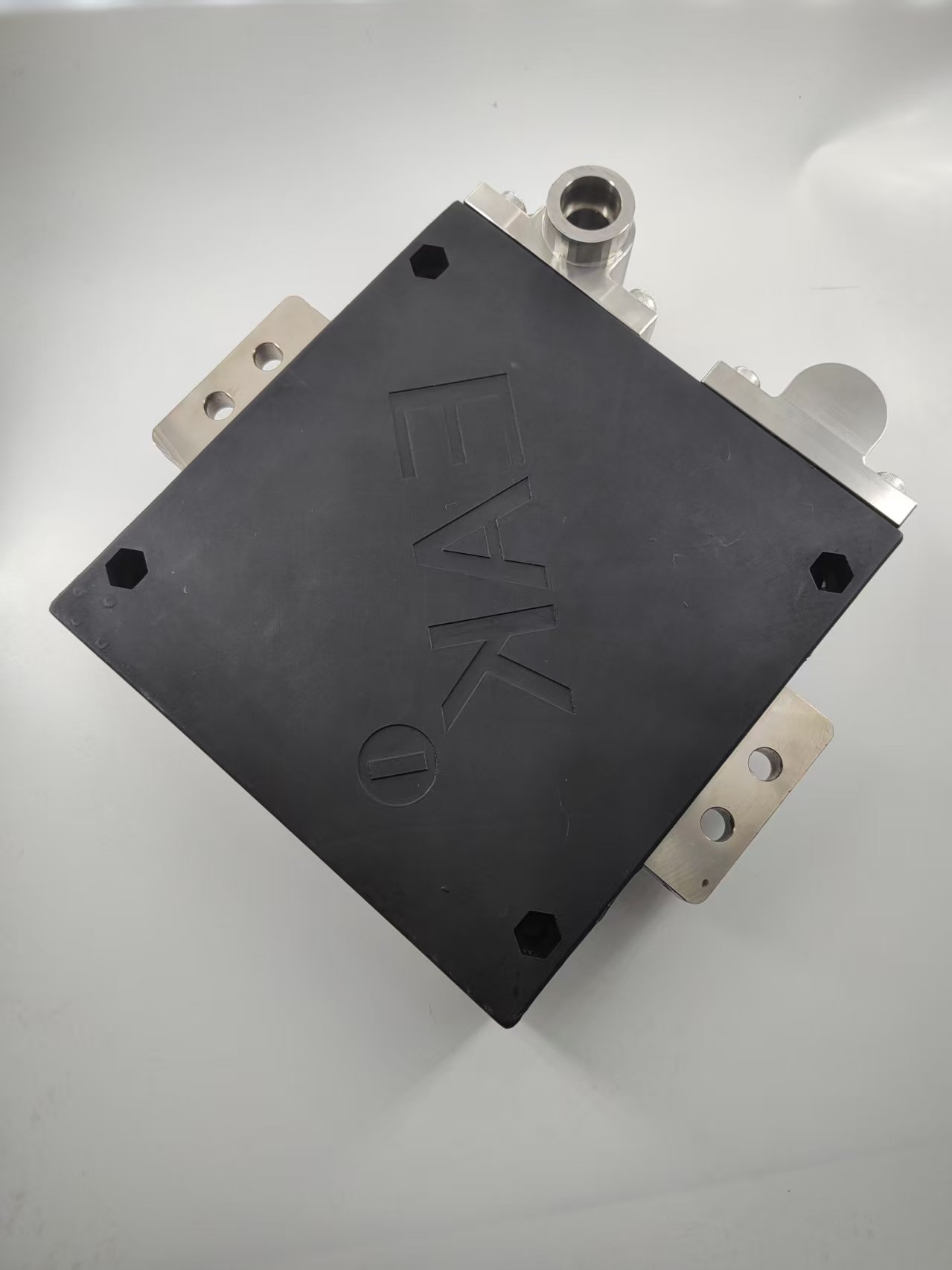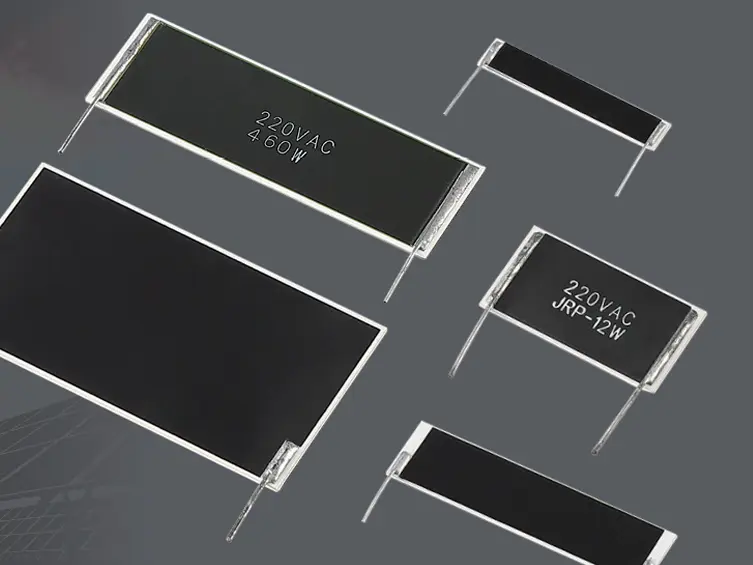
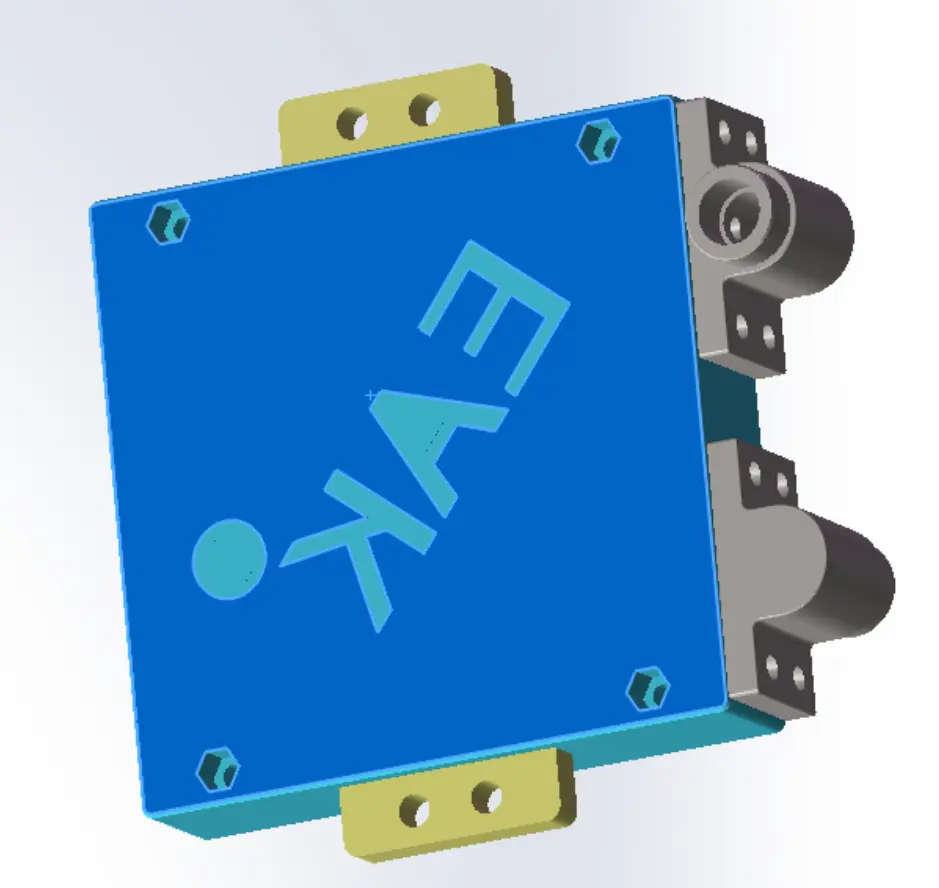

In the rapidly evolving world of electrical engineering, liquid cooled resistors stand out as a critical component for managing high-power loads efficiently. These innovative devices, often referred to as water-cooled resistors, utilize liquid cooling systems—typically water or water-glycol mixtures—to dissipate heat far more effectively than traditional air-cooled alternatives. As industries push for higher efficiency and sustainability, the demand for liquid cooled resistors is surging. According to recent market reports, the global water-cooled resistors market was valued at USD 17,250.75 million in 2024, with projections showing a compound annual growth rate (CAGR) of 6.4% from 2025 to 2032. This growth underscores their pivotal role in sectors like renewable energy, electric vehicles (EVs), and data centers.
Understanding Liquid Cooled Resistors
At their core, liquid cooled resistors are resistive elements designed to handle substantial electrical power while maintaining optimal temperatures through liquid circulation. Unlike air-cooled resistors, which rely on fans and ambient air, these use a closed-loop cooling system that transfers heat away from the resistor body via fluids. This method achieves heat dissipation rates up to 25 times higher than air cooling, making them ideal for compact, high-density environments. Common applications include damping circuits, braking systems, and load testing, where reliability under extreme conditions is paramount.
Key Applications of Liquid Cooled Resistors with Real-World Data
One of the most prominent applications of liquid cooled resistors is in electric vehicles, particularly in regenerative braking systems. In EVs, excess energy generated during braking is dissipated as heat through brake resistors. Traditional designs can be bulky and inefficient, but liquid cooled resistors offer a game-changing solution. For instance, REO’s liquid-cooled brake resistors enable systems that are approximately 80% smaller than conventional air-cooled versions, while handling powers up to 60 kW. This compactness is crucial for electric buses and trucks, where space is limited. Real-world data from EV deployments shows these resistors reduce overall system weight by 15% and improve energy efficiency by recycling heat for cabin heating or battery warming, contributing to extended vehicle range.
In renewable energy systems, liquid cooled resistors play a vital role in power converters and inverters. Wind turbines and solar farms often experience fluctuating loads, leading to voltage spikes that can damage equipment. Here, these resistors act as damping elements to stabilize the grid. Market analysis indicates that power converters represent a key segment for water-cooled resistors, driven by the global shift to renewables. For example, in large-scale wind farms, liquid cooled resistors manage peak loads of several megawatts, ensuring system uptime exceeds 99%. Data from high-voltage direct current (HVDC) transmission projects, like those in national grids, reveal that integrating these resistors reduces energy losses by up to 30%, supporting efficient long-distance power transfer.
Data centers are another burgeoning market for liquid cooled resistors, especially in dummy load testing and cooling system validation. With AI and cloud computing driving unprecedented power densities, traditional cooling falls short. Liquid cooling technologies, including liquid cooled resistors for load simulation, are essential. The data center liquid cooling market is projected to reach USD 5.52 billion in 2025, growing at a CAGR of 23.31% to USD 15.75 billion by 2030. In practical applications, 30 kW liquid-cooled dummy loads simulate server heat, allowing operators to test cooling loops without risking live equipment. Real-world implementations by tech giants like Google and Microsoft demonstrate energy savings of 30-50% and noise reductions of 20-35 dB, enhancing operational efficiency in hyperscale facilities.
Additionally, in industrial motor drives and high-speed trains, liquid cooled resistors are used in frequency inverters to handle dynamic loads. Global market insights highlight their application in motor drives, with powers ranging from 500 kW to multi-megawatt levels. Case studies from high-speed rail systems show these resistors extend equipment lifespan by 20-30% through superior thermal management.
Benefits and Market Potential
The advantages of liquid cooled resistors extend beyond performance. They offer energy efficiency, reduced maintenance, and environmental benefits by minimizing waste heat. Market forecasts predict the segment will expand from USD 200 million in 2023 to USD 350 million by 2032, fueled by EV adoption and data center growth. As industries prioritize sustainability, these resistors align with green initiatives, such as heat recovery in marine and aerospace applications.
In conclusion, liquid cooled resistors are transforming high-power electronics with their efficiency and versatility. Whether in EVs saving space and energy or data centers optimizing cooling, their real-world impact is backed by robust market data. For engineers and businesses, investing in this technology promises long-term reliability and cost savings in an electrified future.